top of page

JM Buchet Photography


New-Zealand
North Island
The landscapes of New Zealand’s North Island contrast sharply with those of the South Island. In the south, the Southern Alps dominate the landscape — a relatively young mountain range, still being uplifted by tectonic forces and deeply shaped by glaciers. The North Island, by contrast, reveals much more of its volcanic origins: cones, calderas, lakes and geothermal activity all bear witness to forces that are still very much alive. Two neighbouring islands, yet landscapes shaped by very different geological histories.
Wellington & its Bay


Wellington, a vibrant and creative capital


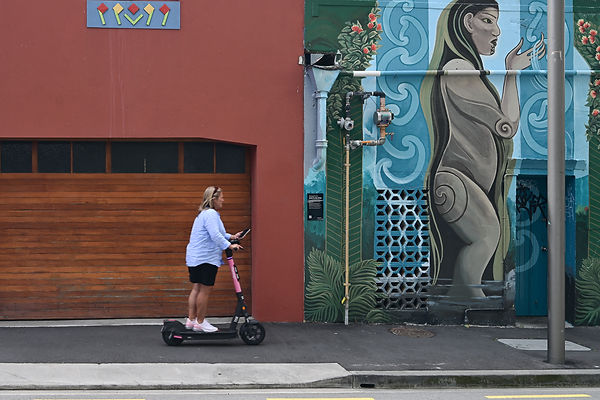


Te Papa Tongarewa


New Zealand’s national museum, Te Papa Tongarewa, houses a remarkable collection of waka, traditional Māori canoes. These vessels bear witness to the history, craftsmanship and culture of the Māori people in New Zealand.
Botanical garden and remarkable trees
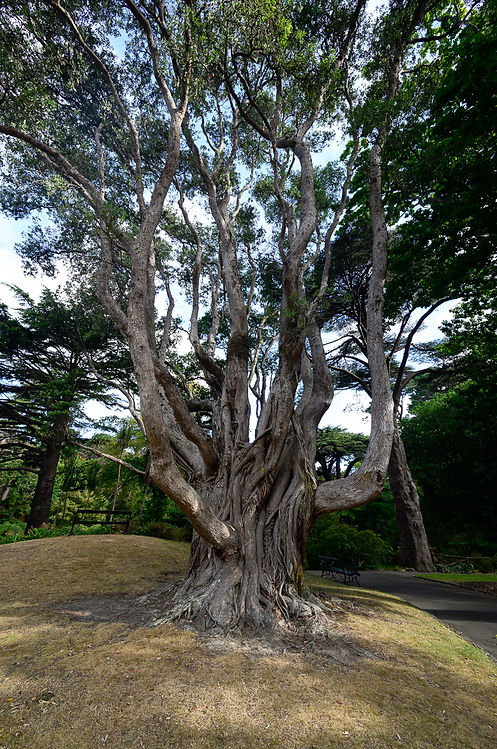
As we travel, we always enjoy exploring botanical gardens, which never fail to bring new discoveries and sometimes a few surprises. They have allowed us to encounter species we would never have imagined finding at certain latitudes. And then there are the remarkable trees… New Zealand offered us some magnificent specimens, particularly in the Auckland region.


Castlepoint Lighthouse
From Wellington, a long day on the road took us all the way to Castlepoint and back, thanks to a particularly enthusiastic driver! Despite the very strong winds along the coast, the journey was well worth it: a wild and spectacular place, dominated by its lighthouse overlooking the ocean.


Lake Taupo & Tongariro river


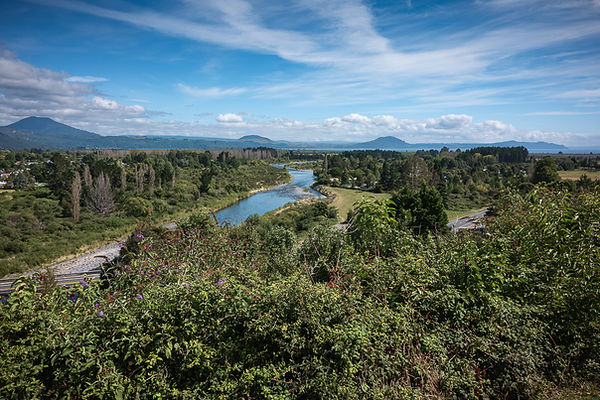
Lake Taupo is the largest lake in New Zealand. Of volcanic origin, it occupies the caldera formed by the gigantic Ōruanui eruption some 25,500 years ago, the most recent supereruption known on Earth. Renowned for its trout fishing, the lake covers an area slightly larger than Lake Geneva — a small detail that gives some idea of the sheer scale of the event!
Geothermal activity


The Taupo region has numerous sites where geothermal activity comes to the surface. Boiling mud pools, fumaroles, steaming ground and natural hot springs all bear witness to the intense activity beneath the surface.


Redwood forest Treewalk – Whakarewarewa, Rotorua


The redwoods of Whakarewarewa were planted in the early 20th century as part of trials to determine which tree species would be best suited to New Zealand’s climate. The Californian redwoods adapted particularly well: in just over a century, some have grown to more than 70 metres tall!
Auckland, New Zealand’s most populous city


Auckland is New Zealand’s most populous city. It is built on a vast volcanic field comprising around fifty volcanoes of various forms: cones, lakes, lagoons, islands and depressions. Many of the cones have been partially or completely levelled as the city developed. Today, some of these ancient volcanoes offer remarkable viewpoints over the city and its bay!
Epilogue
Seven days on the North Island gave us only a glimpse of what it has to offer and allowed us to discover just a few of its many facets. Far too little to sum up such a rich and diverse island… but more than enough to make us want to return, take our time and discover many more of its landscapes!
bottom of page